Origin
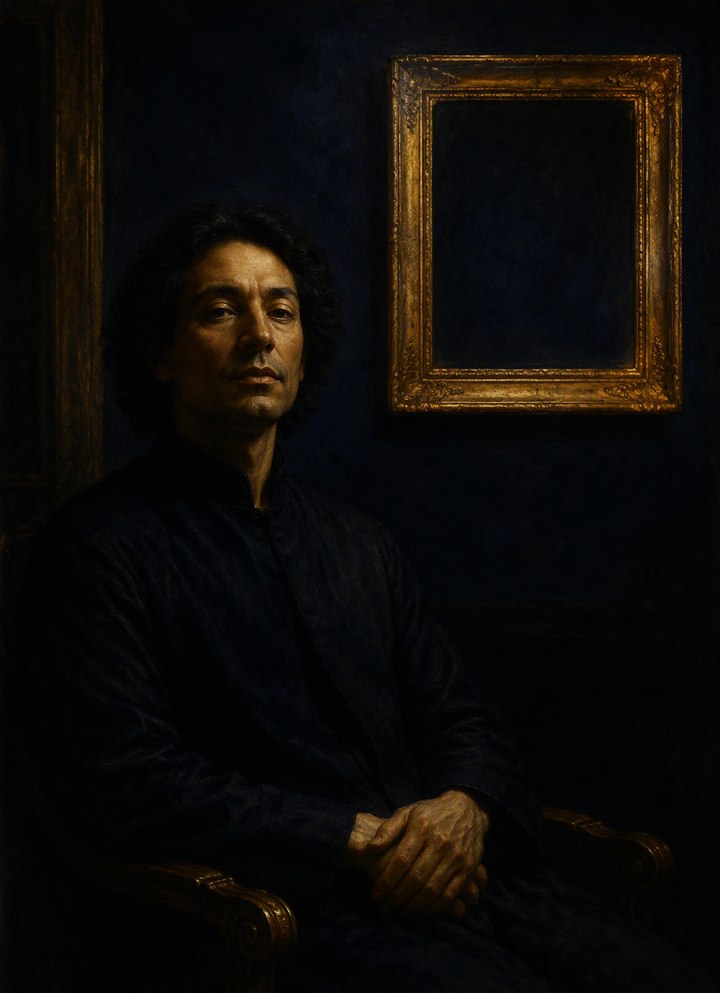
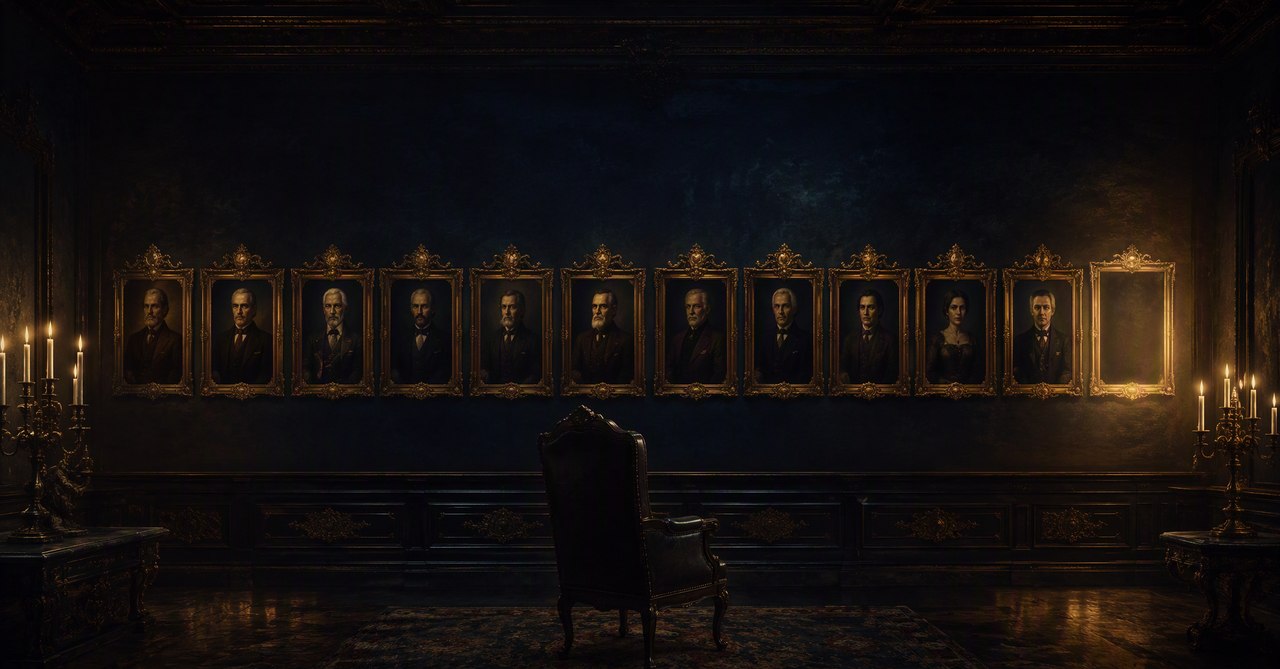
In the codex's telling, there is no origin — the file opens on the Inheritance Room and the twelfth frame hung empty, and the annotators record that every attempt to fill it has been the previous seats' attempt: the Banker's candidate, the Technologist's candidate, the Ritualist's candidate, all declined. The mythology says the successor is chosen by the entities. The codex records that the entities have not replied.
The Rise
He does not rise; he waits — and his file is the cabinet's only one written in the future tense. The codex lists his attributes as requirements rather than biography: the one who reads the last transmission as instructions; the one the empty frame fits; the one who, in the mythology's closing phrase, 'remembers what the plan was for.'
Current Assignment
He holds Seat XII for the endgame: the Shift, the Great Deception, the disappearance the final posters promise. Where the other seats administer the plan's fronts, the Successor is the plan's addressee — the reader it is written for. The annotators file that as the cabinet's most honest line, and do not annotate it further.
The Ritual Contract
His ritual contract is the only one written in the future tense: a covenant that binds no one yet — the signature block empty, the date blank, the witnesses 'the awakened.' The transmissions draw it as the last page of the codex, and the codex confirms: it is.
Known Sayings
Weaknesses & Tells
His tell: the empty frame — the plan's one honest object, the annotators say, because it admits the endgame has no heir until someone agrees to be it. His weakness is the whole codex's closing argument: consent. The Shift, in the mythology's own terms, fails the day the chair is declined.
AN INVENTED FIGURE — ANY RESEMBLANCE TO ANY REAL PERSON, LIVING OR DEAD, IS COINCIDENTAL AND UNINTENDED